
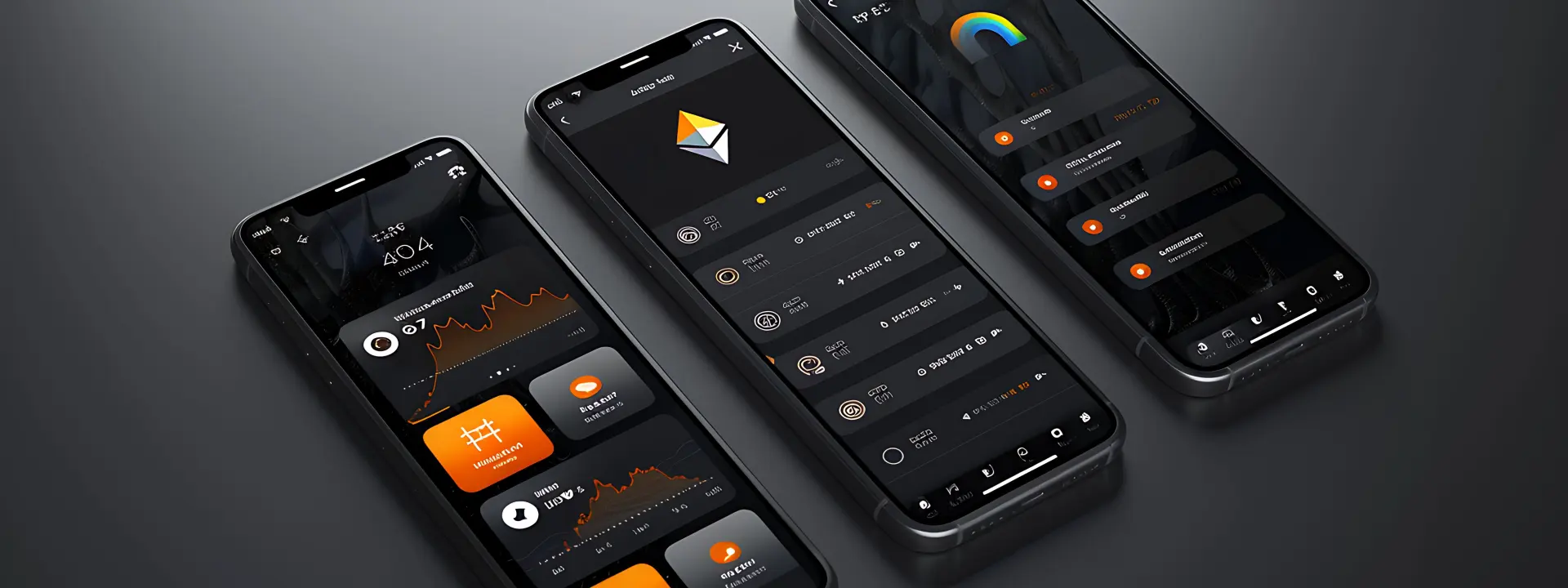
Taxi and cab booking app development works best when the app matches how your trips are actually taken, assigned and closed. If your drivers wait on phone calls, your office keeps a paper notebook, or customers keep asking the same three questions, the app should clear that noise instead of adding to it.
We build for operators who need booking flow first, decoration second. That usually means a rider screen, a driver screen and a control panel that your office staff can learn without a training video, which matters a lot when the phone is ringing and the day has already started badly.
What operators actually need
What taxi and cab booking app development should solve first
The first problem is not design. It is control. A cab business needs to know who asked for the ride, which driver saw it, whether it was accepted, where the pickup sits and what changed after confirmation. If the app cannot show that chain clearly, your office still ends up doing the real work on WhatsApp and phone calls, and the app becomes a second job no one asked for.
Booking flow that feels simple on a busy day
People book a cab in a hurry. They may be at a railway station, outside a hospital, or standing near a shop with the location pin only half right. So the booking screen has to keep the essentials up front: pickup, drop, ride type, time, and a way to contact support quickly. Nothing fancy. If you add too many fields, customers stop halfway and the call comes anyway.
The app should respect the driver side too
Drivers do not want a screen that looks clever and wastes time. They need clear trip alerts, a button to accept or decline, route details, and a way to see what payment or fare state is attached to the trip. In our experience, a driver will forgive plain design if the app gets them to the job faster. They won't forgive confusion, and neither will your dispatcher.
- Keep the first booking screen to the fields your staff actually asks on the phone.
- Show trip status in plain words, not labels that sound like internal software jargon.
- Let the office override or reassign a ride without reopening the whole booking.
- Build pickup support for landmarks, not just exact street addresses.
How we plan the build without wasting your time
A taxi app becomes easier to build when we start with the actual dispatch habits, not with a feature list copied from somewhere else. We ask how rides come in, who confirms them, which trips cause the most confusion, and what your staff already does well. From there the work becomes practical.
- Map the booking flow. We write down the exact steps from enquiry to completed ride, including call handling, driver assignment and the admin actions that happen in the middle.
- Separate the user roles. Rider, driver and office staff each get the screens they need, so the app does not feel crowded or slow.
- Define the trip rules. We look at fare logic, service zones, scheduled rides, outstation bookings and any manual approval your team depends on.
- Build and test the messy cases. This is where the real value shows up: cancel-after-accept, driver not reachable, location changed, or two rides coming in at once.
What changes the scope of a cab booking app
Some features sound small until they touch five other screens. Live tracking is one. Wallets are another. A multilingual interface, recurring bookings, promo codes and in-app calling can all be useful, but they change the shape of testing and support. The table below shows the kinds of choices that move the work around.
| Feature | Who uses it | What it changes |
|---|---|---|
| Live trip status | Rider, driver, admin | Reduces phone calls and makes handover clearer |
| Manual dispatch | Admin | Helps when bookings come by phone or WhatsApp |
| Scheduled rides | Rider, admin | Adds timing rules and reminder logic |
| Fare rules by ride type | Admin | Needs careful setup for city, airport or outstation trips |
| Driver acceptance screen | Driver | Affects speed of assignment and rejection handling |
Features that matter more than flashy screens
A good cab app is not trying to look like a supermarket app or a social network. It needs to be plain enough that a night shift driver and a busy office assistant can both use it without reading a manual. That usually means large tap targets, clear labels, a simple trip list, and just enough map detail to avoid confusion. Anything extra has to earn its place.
Admin control is where the business stays healthy
Your admin panel is not a decoration. It is where trip history, driver activity, service areas and cancellations live. It should let your team see pending requests, assign a backup driver, close a trip, and keep records for the day without jumping between screens. If you run a small fleet in Nagercoil or across nearby towns, that control panel saves more time than any splash screen ever will.
Location handling needs to fit local habits
People do not always type neat addresses. They say the clinic near the bus stand, the hotel opposite a church, or the corner shop everyone knows. The app should support that reality with landmarks, map pins and a way for the office to correct a pickup before the driver starts moving. If you ignore that, the same trip gets explained three times and somebody gets annoyed.
How Webglits can help
We build custom web application and mobile app projects around how the work actually happens, not around a buzzword list. For a booking system, that often means a mix of mobile app development and custom web application thinking, with enough structure that the office can keep control from day one.
If you already run a taxi or cab service and want the app to support dispatch, booking history and simple admin actions, we can shape it around that flow. We can also connect the app idea to the broader web application development work if your team wants one system for riders, drivers and the office. Start with the ride flow, and we we can handle the rest from there.
Call +91 90430 22255, message us on WhatsApp, or email [email protected]. We are in Nagercoil, Tamil Nadu, Mon–Sat 9am to 6pm.
Common questions
Questions people ask before they start
How much does taxi and cab booking app development usually take?
It depends on what the app needs to do first. A simple rider app, driver app and admin panel can move quickly if the booking flow is clear, while live location, fare rules, wallet logic and multilingual screens add more work. Most owners are better off starting with the booking core, then adding the extras after they see how the dispatch side behaves.
What features should a taxi booking app have for a small fleet?
At minimum, it should let a rider request a cab, let a driver accept or reject, and give the admin a live view of trips. You also need basic profile screens, booking history, call support, status updates and a fair way to handle cancelled rides. If your team still dispatches on phone calls, the app should make that easier, not force a new habit overnight.
Do I need separate apps for riders and drivers?
Usually, yes. Riders and drivers use the product in very different ways, and trying to squeeze both into one app often makes the screen crowded. The admin side is a different job again, so most working systems end up with three parts: rider app, driver app and a control panel.
Can a cab booking app work for local operators in smaller towns?
Yes, and that is often where it makes the most sense. In a smaller market, people still call first, ask questions and want a person they can reach, so the app has to support calls, quick bookings and simple follow-up. The tech should fit the way your office already runs.
What is the hardest part of taxi app development?
The booking flow sounds simple until you test the messy cases: no driver nearby, a customer changing the pickup point, one driver handling two calls at once, or a ride that starts from a landmark instead of a full address. The hard part is not the screen design. It is making the dispatch logic behave when the day is busy.
Can Webglits build custom features like fare rules and ride types?
Yes. We can shape the app around your own rules for city rides, airport trips, outstation bookings, return trips or driver assignment by area. If you already know how your desk team works, that makes the build much easier.
If you're planning taxi and cab booking app development, start with the booking flow and the dispatch side before you chase extras. That is the part people touch every day, and it is the part that decides whether the app gets used or ignored. We can help you shape that system in a way that fits the business you already run, not some generic app idea borrowed from somewhere else.

Replies within 24 hours
Tell us what you need
Share your requirement and we will send a tailored quote within 24 hours. No obligation, no pressure — and you talk to the people who would actually build it.