
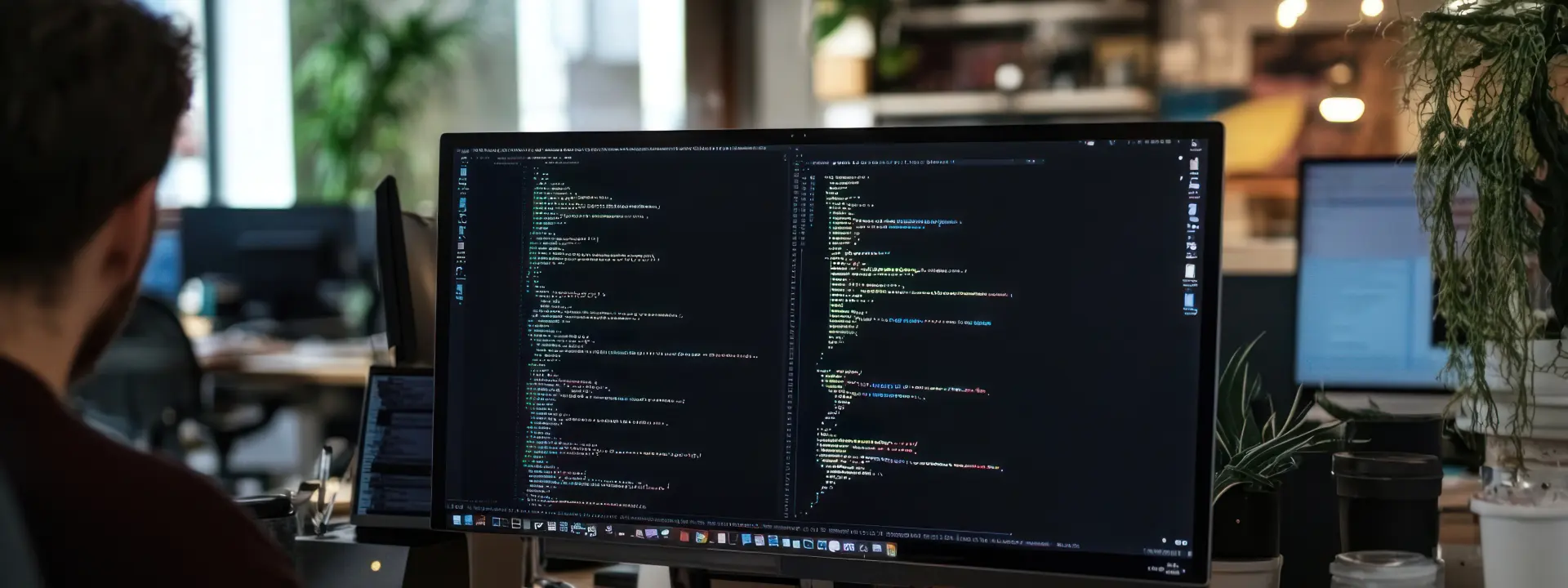
Version control and why your developer should use it is one of those topics people ignore until a site breaks and nobody can say which change caused it. When a form stops working, a product page loses styling, or a text update wipes out a fix from last week, version history is what saves the day. We use it because guessing is expensive.
For a business owner, the real value is simple: less panic, fewer repeated mistakes, and a clear trail of what changed on Monday before the Tuesday call from the customer. In Nagercoil and across Tamil Nadu, a lot of work happens in short bursts between other jobs, so you need a way to keep that work organized when updates are not happening in one neat sitting.

How we keep projects sane
Why version control matters on real business sites
Most owners think version control is only for big software teams. That idea falls apart fast when a site needs a new services page, a contact form tweak, a payment change, or a quick SEO edit before the end of the week. Once you have more than one round of work, you need a way to know what changed and why.
We keep asking for version control because websites are never truly finished. Content gets updated, images get swapped, scripts are adjusted, and someone always wants one more small change after the page is already live. Without version control, those changes sit in loose folders, email attachments, or old backups on a laptop, which is how things get lost.
What it protects you from
If a developer uploads a broken file, version control gives you a path back to the last working copy. That is not theory. It means a bad commit on a Wednesday afternoon does not have to become a Thursday morning crisis. It also helps when a client asks, “Can you show me what changed?” because the answer is right there.
Why it suits small teams better than you'd think
Small teams need it more, not less. When two people are doing the work that a larger agency might spread around, there is less room for confusion and no time for duplicate effort. If your developer is making edits directly on the live site with no record, you're depending on memory, and memory is a poor backup plan.
- Track each change instead of overwriting the last one.
- Roll back a bad edit without touching the rest of the site.
- Compare drafts before a page goes live.
- Keep code, templates, and content work separate enough to review properly.
- Make handovers easier when a project pauses and starts again later.
How we use it from the first edit to launch
There are many tools and workflows, but the basic habit is the same. We set up the project, make changes in small steps, check the diffs, and only then move the work forward. That keeps the site from turning into a pile of half-finished uploads.
- Start with a clean repository. The project begins in one place, not spread across desktop folders and WhatsApp attachments. Everyone knows where the current copy lives.
- Make one sensible change at a time. A layout adjustment, a copy edit, or a script fix should be easy to identify on its own. Small changes are easier to review and undo.
- Check the diff before publishing. We look at what actually changed, line by line when needed. That catches accidental deletions and stray edits before they reach the live site.
- Tag stable points. When a site reaches a useful stage, we mark it so there is a known good version to return to later. This is handy after content updates or a redesign round.
- Merge carefully. If two people touch related files, the changes need review before they are combined. Otherwise one fix can bury another, and the trouble starts all over again.
What version control changes in day-to-day work
The table below shows the practical difference between working with and without it. This is the part owners usually care about once the site is live and real edits begin.
| Situation | Without version control | With version control |
|---|---|---|
| Text update on a service page | Old copy gets overwritten and the edit trail disappears | Each edit is recorded and can be compared later |
| Broken layout after a change | Someone searches backups and hopes the right file exists | The last working version can be restored quickly |
| Two people working on the same page | Last upload wins, even if it removes someone else's fix | Conflicts are visible before the merge goes live |
| Site handover after a pause | The next person starts by guessing what was done | The history shows the sequence of work and decisions |
Where developers get lazy, and what it costs you
We see a few patterns again and again. Some developers work straight on the live site because it feels quicker. Others keep local copies but never document what changed, so the code may exist somewhere on a laptop, but nobody can tell which copy is current. Both habits create the same problem: there is no trust in the files.
The hidden cost of “quick fixes”
A quick fix can be fine if it is tracked. The trouble starts when a rush edit repairs one thing and quietly breaks another, then nobody remembers the exact file or the exact hour it happened. That is how a small layout tweak turns into a half-day search. We have seen it with contact forms, menus, image galleries, and theme updates.
On business sites, this matters because work is often interrupted. The owner steps away to serve customers, the developer pauses for another call, and the site change sits half-done for an hour. Version control keeps the half-done part from becoming permanent, which is worth more than most people think on a Monday morning.
When content and code both change
SEO work makes the need even clearer. A page title might change, then a heading, then the structure of the page, and later the metadata or a schema update. If those edits are not tracked, nobody can tell whether a ranking drop came from the content change or something else entirely. You do not want to troubleshoot blind.
How Webglits can help
We use version control on the projects we build and maintain, because it keeps the work clean when a site needs ongoing updates. If you are planning a new build, our website design and web app development work are set up with that habit from the start, and it shows when changes need review months later. If the site is part of a bigger search plan, our SEO work benefits from the same structure. You get a working process, not a pile of loose files.
Call +91 90430 22255, message us on WhatsApp, or email [email protected]. We are in Nagercoil, Tamil Nadu, Mon–Sat 9am to 6pm.
Common questions
Questions people ask before they hand over a site
What is version control and why should my developer use it?
Version control keeps a record of code changes so you can see what changed, who changed it, and when. That matters when a site breaks after a content update or a plugin update, because you can compare versions instead of guessing. Your developer should use it on any project that will be edited more than once.
Does version control matter for small business websites?
Yes — even a simple brochure site can run into trouble once there are form fixes, SEO tweaks, or new service pages. A small owner-run business does not have time for lost files or “I think I fixed it” edits. With version control, the change history stays clear.
Can version control help if two people edit the same site?
It can, and that is one of the main reasons we use it. If one person writes copy while another adjusts layout or code, version control helps catch conflicts before they overwrite each other. Without it, the last person to upload usually wins, even if their change was not the right one.
What goes wrong when a developer does not use version control?
You get mystery changes, no clean rollback, and a lot of time spent hunting through old folders or email attachments. If an update goes wrong on Friday evening, the developer may have to rebuild from memory. That is a bad way to run any business site.
Is Git the same thing as version control?
Git is a version control system. Version control is the practice, and Git is the tool many developers use for it. The tool can differ, but the need is the same: track changes, compare them, and restore a working copy when needed.
Should version control be used for design files too?
Honestly, yes, if the file changes matter. Code is the obvious one, but design assets, text drafts, and setup files can also benefit when a project has more than one round of work. You do not need every picture in it, just the files that help you avoid confusion.
If your developer is not using version control, the site may look fine today and become a mess the moment you need a second round of changes. We treat it as basic hygiene, not a bonus feature. That is the difference between a project you can manage and one you just hope will behave.

Replies within 24 hours
Tell us what you need
Share your requirement and we will send a tailored quote within 24 hours. No obligation, no pressure — and you talk to the people who would actually build it.