
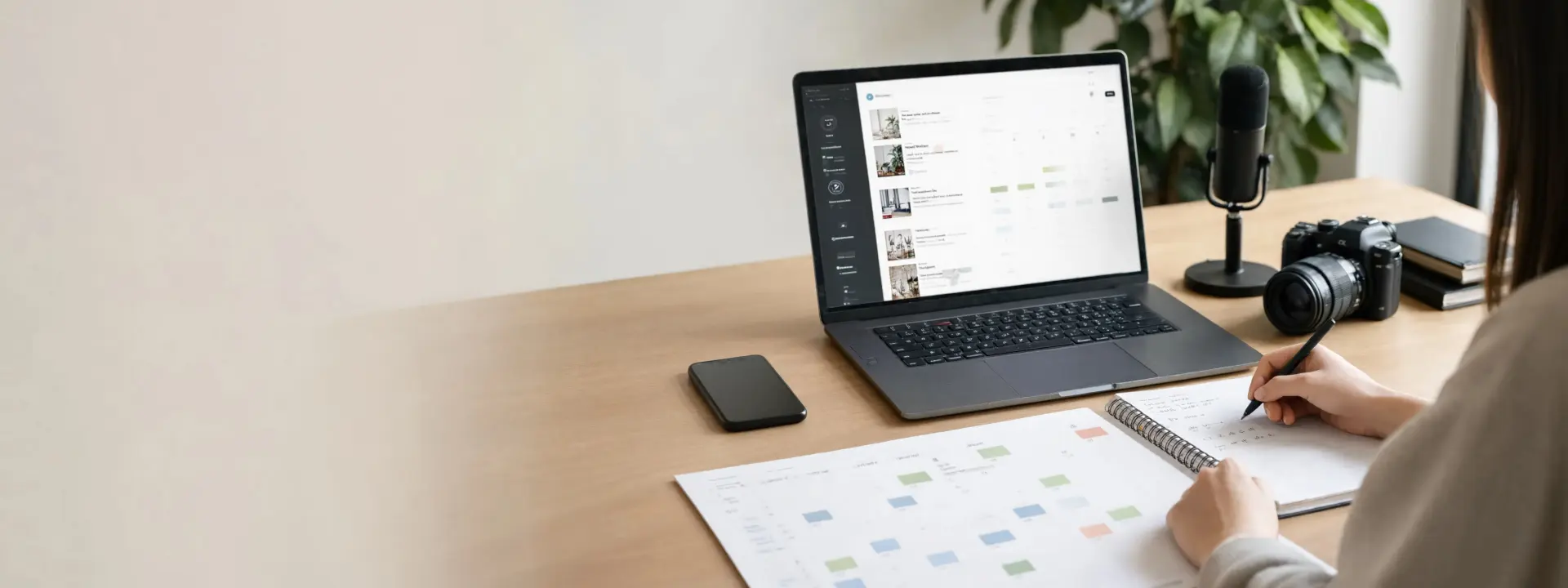
Google Ads for small businesses only works when the campaign matches how real customers search, and that means plain language, tight targeting and a page that answers the call. If you're paying for clicks, the page should tell you what happens next, not make people hunt for it.
We see the same pattern over and over from owner-run shops, clinics, service firms and small local brands across Nagercoil and the rest of Tamil Nadu: the ad itself is not the problem, the setup is. A lot of money disappears because the wrong keyword, the wrong location or the wrong landing page gets used first.
Practical paid search
What Google Ads should do for a small business
For a small business, the job of ads is simple: get the right person to contact you at the right time. That might mean a call for a repair job, a WhatsApp message for a menu enquiry, or a form fill for a quote request. The point is not reach for its own sake, it is enquiries you can actually handle.
When business owners call us, they usually want one of three things. More local leads, better quality leads, or a way to stop paying for traffic that never turns into anything. Search campaigns can do that, but only if the campaign is shaped around how the customer thinks, not how the ad platform wants to sell it.
Why small budgets need sharper focus
Big brands can afford waste. A small business can't. If you are in a market like Nagercoil, Kanyakumari or anywhere else where most customers are choosing between a few nearby options, a loose campaign gets very expensive very quickly. The shortlist of keywords has to be narrow, the area targeting has to be disciplined and the ad copy has to say the thing people are already looking for.
We also think mobile first, because that is how most enquiries arrive here. Someone is standing outside a shop, waiting in a clinic, or comparing options on mobile data, often with a weak signal. If the page is heavy or the call button is buried, you lose them before the form even loads. Its that plain.
What usually goes wrong
Most failed small-business campaigns share the same problems. Broad match keywords catch the wrong intent, search terms are not reviewed, and the ad is sent to a page that does not match the promise. Sometimes the business wants visibility, but the site has no clear offer, no visible contact path and no trust cues. Then the owner blames Google when the issue was setup.
There is another one we see a lot: the campaign is live, but nobody checks what happened after the click. Without tracking calls, forms or messages, you are guessing. Guessing is fine for a recipe, not for ad spend.
- Use tightly matched keywords instead of sweeping phrases that pull in casual browsers.
- Send traffic to one page that matches the ad and answers the next question fast.
- Track calls, forms and message clicks before you raise spend.
- Review search terms often so the wrong clicks do not keep coming back.
How we set up Google Ads for small businesses
We start small on purpose. That gives you cleaner data and fewer expensive mistakes. The first few weeks are about learning what people actually type, which locations matter and what kind of enquiry is worth paying for.
- Clarify the offer. We pick the service, product or enquiry type that matters most right now, because a campaign with three different goals usually performs like it has none.
- Choose the search intent. We build around phrases people type when they are ready to act, not around vague interest words that attract students, researchers or random browsers.
- Set the geography. We narrow the area so the campaign speaks to the places you can realistically serve, which is especially important for local shops and service businesses.
- Match the landing page. We check that the page says the same thing as the ad, loads well on a phone and makes contact easy without extra tapping.
What to watch first
The first report should tell you more than clicks and impressions. It should show what search terms triggered the ads, which devices behaved well, and whether calls or form submissions came from people who looked serious. If the ad gets traffic but no real leads, something is off and we fix that before chasing scale.
| Factor | What it changes | What we look for |
|---|---|---|
| Keyword intent | Lead quality | Searches that show buying intent, not just curiosity |
| Location targeting | Wasted clicks | Only the places the business can serve properly |
| Landing page speed | Drop-off rate | Fast load on mobile data and a clear action path |
| Search term review | Budget control | New negatives and cleaner matches every week |
Search ads, not random traffic
People often ask whether ads are only for bigger companies. They are not. In fact, small businesses can benefit more because search ads meet people at the exact moment they are ready to act. A parent looking for a tuition centre, a patient checking a clinic, or a restaurant customer comparing menus all behave differently, and the campaign has to reflect that.
Which businesses usually need them most?
Service businesses, local stores, appointment-based practices and product sellers with clear intent usually have the best chance. A person searching for a plumber, a dental clinic, a function hall or a digital invitation service is already halfway down the path. That's where paid search makes sense. But if the offer is unclear, or the site hides the contact details, the campaign will still struggle.
We also pay attention to the working week. Many owner-run businesses in our region operate Monday to Saturday, with the busiest calls coming during business hours. That means ad scheduling matters. Running a campaign all night can be fine, but if nobody answers then you're paying for missed chances.
How Webglits can help
We handle Google Ads as part of the same practical work we do in digital marketing and SEO, so the campaign, page and tracking all line up. If the landing page needs work, we can build or fix that too through website design. The aim is simple: fewer wasted clicks, cleaner enquiries and a setup you can understand without decoding marketing jargon.
Call +91 90430 22255, message us on WhatsApp, or email [email protected]. We are in Nagercoil, Tamil Nadu, Mon–Sat 9am to 6pm.
Common questions
Questions small business owners ask about Google Ads
Are Google Ads worth it for a small business?
Yes, if you sell something people actively search for and you can answer enquiries quickly. Search ads work best when the offer is clear, the landing page is simple and the call to action is easy to see on a phone. If your website is slow or vague, the clicks turn expensive fast.
How much should a small business spend on Google Ads?
There is no honest one-size figure. Spend depends on how crowded your market is, what keywords you target and how many leads you need each month. We usually start by fixing the campaign structure and tracking first, then set a budget that can actually tell us something useful.
What kind of Google Ads work best for local businesses?
Search campaigns usually make the most sense because they meet people at the moment they are searching. For a clinic, repair service, restaurant or shop, that intent matters more than broad awareness. If the business has a clear local area, location targeting and call extensions help a lot.
Do I need a landing page for Google Ads?
You do not always need a separate landing page, but you do need a page that matches the ad promise. If the ad says one thing and the page says another, people leave. For small businesses, a focused service page often works better than sending traffic to a cluttered home page.
Can Google Ads help if I already get enquiries from word of mouth?
Usually, yes. Word of mouth is good, but it is uneven and slow. Ads can fill the gaps when referrals are quiet, and they can catch people who were never going to ask around in the first place.
How soon will I know if a campaign is working?
You can see traffic and clicks almost immediately, but useful judgement takes a bit longer. The real questions are whether the calls, forms or messages are relevant and whether the cost per enquiry makes sense. We look at that before touching anything else.
If you're a small business, Google Ads should feel like a controlled test, not a gamble. Start with the right search terms, the right area and a page that makes contact easy, and you'll know much quicker whether the campaign deserves more spend or a hard reset.
We prefer that way of working because it respects your budget and your time. No noise, no guessing, just a setup that tells the truth.

Replies within 24 hours
Tell us what you need
Share your requirement and we will send a tailored quote within 24 hours. No obligation, no pressure — and you talk to the people who would actually build it.